The Algorithm of Beauty: How AI Is Rewriting the Rules of the Industry
From personalized skincare to AI-generated aesthetics the future arrived quietly, and it looks better than expected.
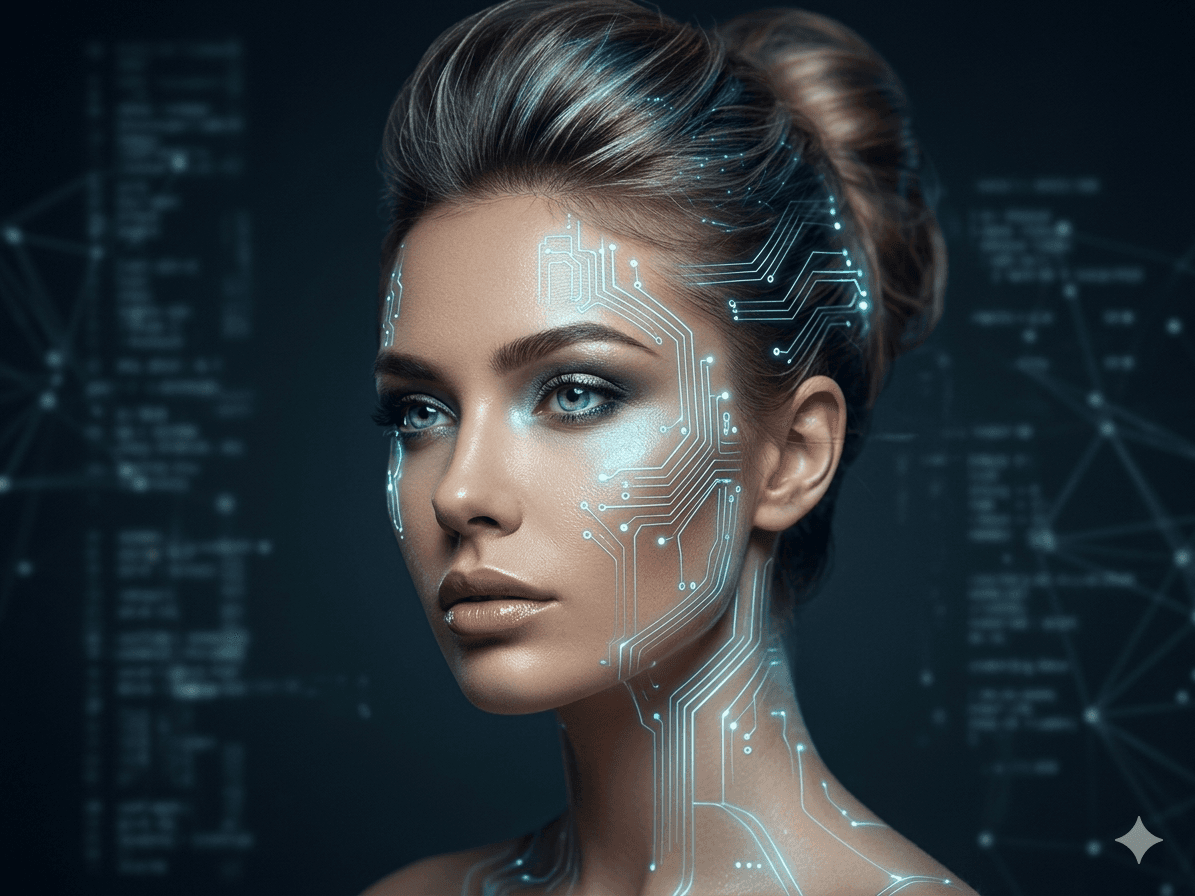
The beauty industry has always been obsessed with transformation. But the most radical shift happening right now isn’t happening in a lab or on a runway it’s happening inside an algorithm.
Artificial intelligence has entered the beauty space not as a novelty, but as infrastructure. It’s embedded in how products are formulated, how clients are diagnosed, how trends are predicted, and how professionals build their brands. The question is no longer whether AI belongs in beauty it’s how deeply we’re willing to let it in.
Skin That Knows You
The most immediate impact of AI is in personalization. Brands like Proven Skincare and Revieve have built entire business models around machine learning: algorithms that analyze thousands of data points skin type, climate, lifestyle, hormonal patterns to recommend or custom-formulate products with a precision no human consultant could replicate at scale. In clinical aesthetics, AI-powered skin analysis tools are redefining the consultation experience. Devices and apps can now detect early signs of pigmentation, dehydration, or barrier compromise before they become visible to the naked eye. For cosmetologists and estheticians, this means sharper diagnostics and more credible treatment planning a competitive edge that clients increasingly expect.
The Trend Engine
Fashion weeks used to set beauty agendas six months in advance. AI has compressed that timeline dramatically. Platforms powered by machine learning now scan millions of social media posts, search queries, and e-commerce behaviors in real time identifying micro-trends before they surface in mainstream media. This changes everything for salon owners and brand developers. Understanding that glazed skin or strawberry-toned blush is peaking three weeks before it goes viral gives industry professionals an extraordinary window to respond, stock, and communicate.
Artistry, Augmented
There’s a conversation happening in the professional community about what AI means for creativity. Will it replace the colorist’s eye? The makeup artist’s intuition? Unlikely but it will raise the baseline.
AI-generated mood boards, color formulation assistants, and virtual try-on tools are already streamlining workflows for hair stylists and makeup professionals. The artists who embrace these tools aren’t being replaced they’re being amplified. Their creativity is freed from repetitive problem-solving and redirected toward what humans do best: connection, storytelling, taste.
The New Business Intelligence
For salon and studio owners, AI is increasingly a business partner. Predictive analytics help forecast client retention, identify high-value service windows, and personalize marketing with a level of sophistication previously reserved for corporate beauty conglomerates. Chatbots handle booking. Algorithms optimize pricing. AI-generated content assists with social media presence. The operational weight that once required entire teams can now be managed with the right tools and a strategic mindset.
What Remains Human
None of this erases the irreplaceable: the trust built in a one-on-one consultation, the instinct that comes from years behind a chair, the emotional intelligence that turns a service into an experience. AI optimizes. Humans elevate. The beauty professionals who will lead the next decade aren’t those who resist technology they’re those who understand it well enough to stay ahead of it. Intelligence, after all, has always been the most beautiful thing in any room.