LED vs. Traditional Lash Glue:
What Science Actually Says About Photopolymerization
In the beauty industry of 2026, speed, comfort, and longevity are the new non-negotiables. While traditional air-cure lash adhesives still dominate most salons across the country, LED lash extensions are making serious inroads and for good reason. The technology works by curing a specialized adhesive under an LED lamp in just seconds, promising instant bonding, minimal fumes, and retention lasting up to 6–8 weeks. But does it actually outperform the classic method? Let’s look at what the research on photopolymerization really tells us.
A Pioneer Worth Knowing
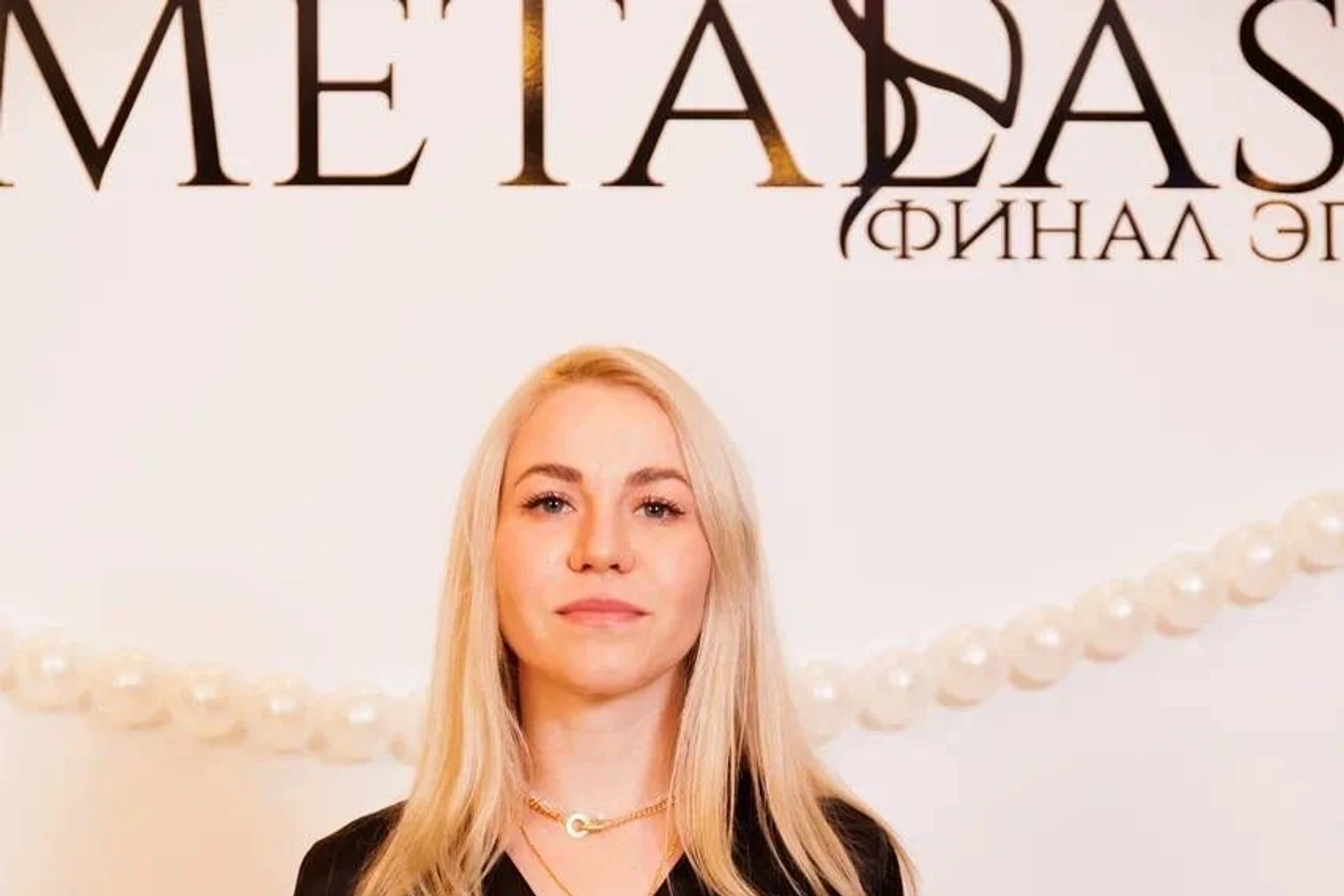
One of the most recognized figures driving this technology forward is Alina Isakova a licensed trainer, seasoned lash expert, and genuine industry standout who was among the first professionals to actively implement and refine LED lash technology at a high level.
In May 2025, Alina was awarded “Beauty Expert of the Year in LED Lash Extension Technology” at the All-Russian Independent Beauty & Fashion Trend Awards a prestigious competition held under the support of the St. Petersburg Chamber of Commerce, with over 1,500 participants from Russia and the CIS region vying for top honors. Her recognition sent a clear signal to the global industry: LED technology is no longer an experiment. It’s a certified professional standard.
The Science Behind It: How It Actually Works
Traditional cyanoacrylate adhesives cure through moisture and ambient temperature a process that’s inherently unpredictable, affected by your salon’s humidity, the season, even the client’s skin. Results can vary from appointment to appointment.
LED systems work differently. The lamp emits a targeted, narrow-spectrum light primarily blue and violet wavelengths that instantly activates photoinitiators embedded in the specialized adhesive. The result is deep, uniform polymerization without excess heat or chemical off-gassing.
This is the same foundational science used in modern dental composite curing one of the most extensively studied areas of photopolymerization. Research consistently shows that contemporary LED systems deliver:
• Higher degree of conversion of double bonds (meaning a more complete cure)
• Superior bond strength compared to moisture-dependent adhesives
• Minimal heat generation at the point of application
Early LED devices had limitations, but today’s multi-wave LED lamps with adjustable intensity modes have closed the gap entirely and in most measurable categories, they now lead.
What the Client Actually Gains
Instant cure. 1–3 seconds instead of waiting through the entire appointment for bonds to set.
No fume discomfort. One of the biggest client complaints with traditional adhesives is eye irritation and sensitivity to vapors. LED adhesives dramatically reduce this.
Exceptional retention. The material holds longer and stands up to water, oils, sweat, steam rooms, and active lifestyles a major selling point for U.S. clients who live in their extensions.
Less stress on natural lashes. Reduced mechanical tension and no heat exposure means healthier lashes over time.
Traditional adhesives aren’t going anywhere they’re accessible, familiar, and perfectly serviceable. But when clients want precision, speed, and a wow result from the very first session, LED has a clear edge.
Here’s the honest picture: LED lash extensions are still rare in the United States.
The American market is deeply saturated with traditional techniques, and the switch to LED requires real investment specialized equipment, dedicated training, and certified materials. Service pricing reflects that: where LED extensions are available, expect to see $190+ for classic sets and $260–310 for volume, compared to lower price points for traditional methods.
That said, the professionals and clients who have experienced it are overwhelmingly enthusiastic. Early adopters consistently describe LED as “the future of the industry” pointing to retention, comfort, and the near-elimination of sensitivity reactions as game-changers.
For U.S. lash artists looking to differentiate themselves in a crowded market, LED certification is one of the clearest competitive advantages available right now precisely because it’s still uncommon.
The Bottom Line for 2026
The science is clear: with the right equipment and materials, LED technology outperforms traditional adhesives across the board polymerization efficiency, client comfort, and final result quality.
For lash artists, the transition to LED isn’t a trend to chase. It’s a business investment fewer retention complaints, shorter appointment times, and clients who come back because the results genuinely last.
In 2026, this technology is still early enough in the U.S. market that getting ahead of it matters. The future of lash extensions is being written right now — and it’s being written in light.